
 18 May 2026
Why Free-Range Eggs Taste Better Than Store Eggs
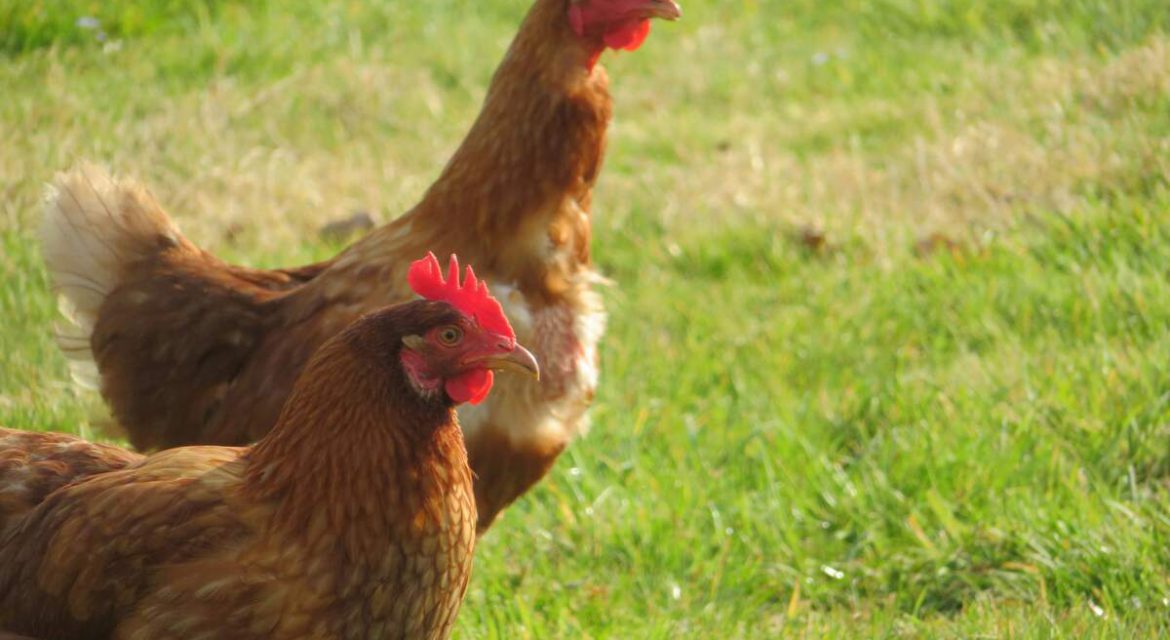
Free-range eggs taste better than store eggs because hen behaviour directly shapes egg chemistry. This article explains why free-range eggs taste better than store eggs using facts most shoppers never hear. Farmers influence flavour long before collection, because the hen builds the egg over several hours. That process responds to diet, movement, light, and stress signals.
What Hens Actually Convert Into Flavour
Free-range hens convert diverse food sources into yolk fats because their bodies respond to varied inputs. Hens eat insects, seeds, and greens, which then change lipid ratios inside the yolk. Those lipids carry flavour compounds, and therefore richer fats create a deeper taste. Store eggs come from hens eating uniform pellets, which limits flavour development. Pellets supply calories efficiently, yet they reduce fatty acid diversity. The yolk develops fewer aromatic compounds during formation. Researchers found that insect-based proteins increase sulfur-containing amino acids. These amino acids later react during cooking, and they produce savoury notes people describe as “eggy.”
Time, Stress, and Egg Chemistry
Free-range hens experience lower chronic stress, which protects hormone balance. Cortisol spikes alter albumen structure, and therefore stress changes the texture before taste. Calm hens form firmer whites, which cook more cleanly and hold flavour. Caged hens live under constant artificial light, which disrupts laying rhythms. That disruption shortens egg formation time, and therefore, flavour compounds have less time to develop. Longer formation allows minerals and fats to distribute evenly through the yolk. Shell porosity also differs. Free-range hens absorb more trace minerals, which strengthen shells. Stronger shells slow gas exchange, and therefore, the egg ages more slowly after laying.
Sunlight Changes More Than Colour
Free-range hens receive natural sunlight, which activates vitamin D synthesis. Vitamin D regulates calcium use, and it also affects fat metabolism. That metabolic change shifts yolk density, which creates a creamier mouthfeel. Artificial lighting produces eggs consistently, yet it removes natural cycles. Without cycles, hens eat and lay mechanically, and therefore eggs lose seasonal variation. Seasonal variation subtly changes flavour, which humans notice even without tasting side by side.
Freshness Begins Before Collection
- Free-range eggs often reach kitchens faster because small-scale systems reduce storage time. Shorter storage preserves volatile flavour compounds, which evaporate first in older eggs.
- Store eggs often sit for weeks before purchase, even under refrigeration. During storage, carbon dioxide escapes through the shell, and the egg tastes flatter. This process begins immediately after laying, not at the shop.
Why This Difference Matters
Free-range eggs taste better than store eggs because the flavour starts inside the hen. Diet diversity, calm behaviour, sunlight, and slower formation all work together. Each factor alone matters less, yet combined, they create noticeable depth. When people taste the difference, they respond to chemistry rather than sentiment. Understanding this process helps shoppers choose eggs with intention, not marketing labels.