
No products in the basket.
 26 November 2026
What Makes a Good Braai? It’s More Than the Meat
Ask ten people what makes a good braai and you’ll probably get ten different answers. Some will argue that everything starts with the meat, while others won’t compromise on the wood. Then there’s the person who insists the fire needs another twenty minutes, even though everyone else is already hungry. There’s some truth in all these opinions. A good braai depends on several things working together, and some of the biggest differences happen before the meat even touches the grid.
The Wood You Choose Changes the Fire
Anyone who has braaied with different types of wood will know they don’t all behave alike. Rooikrans catches relatively easily and produces plenty of heat, making it a popular choice for everyday braaiing. Kameeldoring is denser and burns for longer, producing a lasting bed of coals. Sekelbos is another favourite, known for its heat and distinctive aroma. The moisture content matters just as much as the species. Damp wood spends much of its energy evaporating water instead of producing useful heat. It also creates more smoke during burning. Dry, seasoned wood makes it easier to build a fire that behaves predictably.
There’s a Reason Experienced Braaiers Watch the Coals
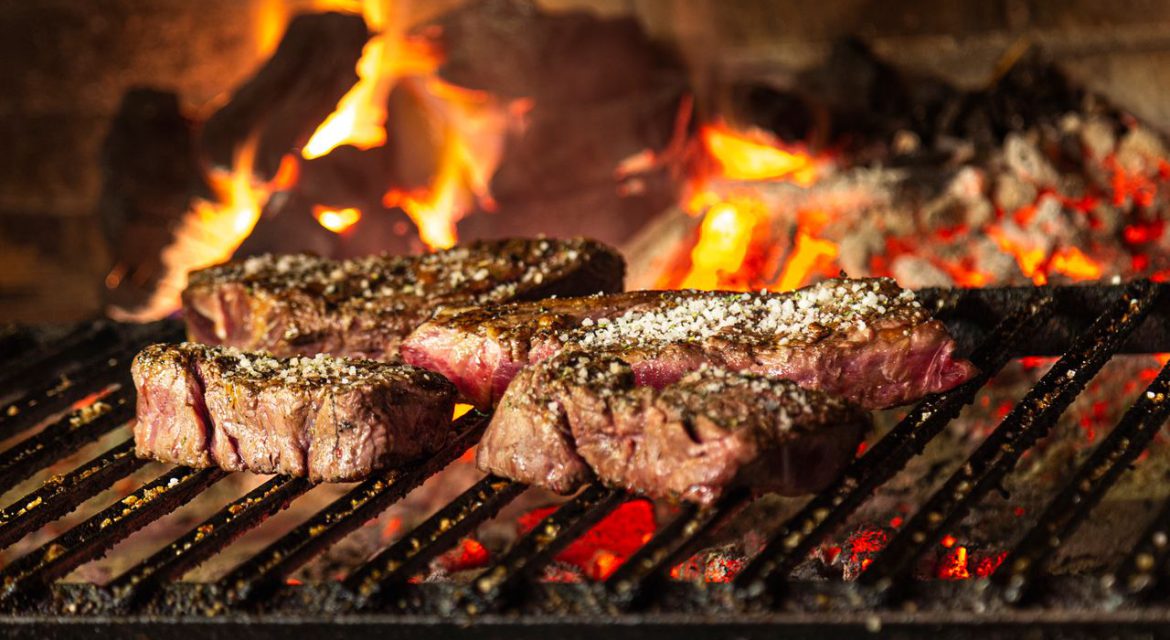
A fire can look ready long before it provides the right cooking conditions. Flames are unpredictable, and food placed directly over them can burn before the centre cooks. Glowing coals provide more consistent radiant heat. Their depth and arrangement also matter. A thick bed holds more heat than a thin scattering, while spreading the coals creates a larger cooking area with less concentrated heat. This is why experienced braaiers often move coals around during cooking. They aren’t simply trying to keep the fire going; they’re controlling the heat beneath the food.
That Crust on a Steak Doesn’t Happen by Accident
The browned surface of a properly braaied steak develops through a chemical process called the Maillard reaction. It happens when amino acids and reducing sugars react under high heat, producing the flavours and aromas associated with browned meat. Surface moisture gets in the way because energy must first evaporate that water. This is why a wet steak tends to steam before it browns. Patting the surface dry helps it make better contact with the hot grid. A sufficiently hot cooking surface then encourages browning without requiring an elaborate marinade or heavy seasoning.
Fat Can Make a Braai Better, Until It Doesn’t
Fat contributes plenty of flavour, particularly in cuts such as ribeye, lamb chops and boerewors. As it heats, some of the fat melts and runs through the meat, while the rest drips onto the coals. Those drippings can create sudden flames that scorch the outside of the food. Repeated flare-ups can also leave a bitter, sooty residue. This doesn’t mean avoiding fatty cuts. It means understanding how they behave over an open fire. Moving meat away from direct flames gives dripping fat time to burn off without repeatedly scorching the surface.
Not Every Cut Belongs Over the Same Heat
A thin steak cooks quickly and benefits from strong, direct heat. A thicker cut needs enough time for the centre to warm without burning the outside. Lamb chops also vary considerably depending on their thickness and fat content. Boerewors presents a different challenge because its casing can split when exposed to excessive heat. The filling then loses moisture, and the sausage becomes harder to cook evenly. Giving different foods their own space on the grid makes a noticeable difference. It also means you don’t have to remove everything at once.
Smoke Should Complement the Food
Wood smoke contributes aroma, but more smoke doesn’t necessarily mean more flavour. Clean-burning, dry wood produces a different result from damp wood smouldering under poor airflow. Incomplete combustion creates heavier smoke containing compounds that can leave a bitter taste on food. This is particularly noticeable when cooking delicate ingredients or leaving food exposed to smoke for long periods. You want the aroma of the wood to complement the meat, not overwhelm it. A steady fire with good airflow usually produces a cleaner result than a smoky, struggling one.
Don’t Forget What Goes Alongside the Meat
A braai spread can become quite rich, especially when it includes fatty chops, boerewors and steak. That’s where the sides earn their place. A tomato and onion relish with some acidity cuts through richness, while a sharp potato salad dressing offers more contrast than one dominated by mayonnaise. Grilled vegetables bring a little sweetness, particularly when their natural sugars caramelise over the coals. These aren’t just extras to fill the table. They change how the main dishes taste when eaten together.
The Freedom to Experiment
Part of the enjoyment is that there’s no single correct way to braai. Some people swear by certain woods, others have strong opinions about marinades, and everyone seems to have their own method for cooking steak. There’s always someone willing to defend their method, usually while standing next to the fire. And that’s part of the appeal. You can try something different every time, pick up ideas from other braaiers and figure out what works best for you along the way.