
 08 May 2026
Diet Differences: What Free-Range Hens Eat vs Caged Hens
Diet Differences: What Free-Range Hens Eat vs Caged Hens
Free-range hens produce eggs with stronger flavour because their diet differs from caged hens in important ways. Farmers do not just feed them differently, and instead they shape the hen’s entire nutritional environment. The egg becomes a direct reflection of what the bird consumes every day.
Natural Foraging vs Controlled Feed
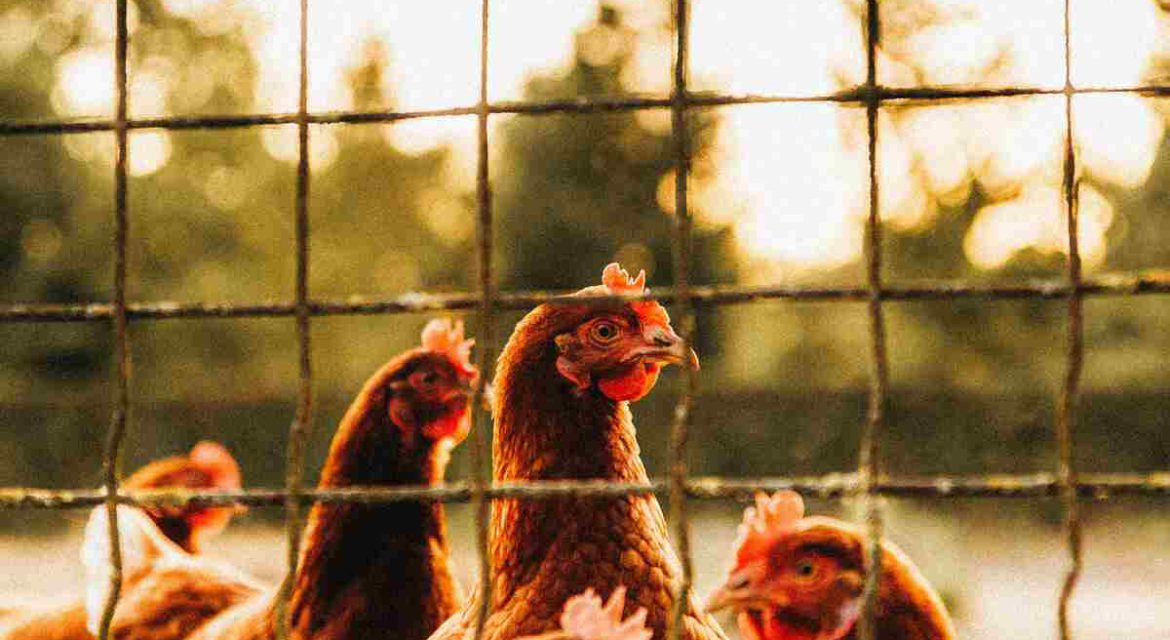
Free-range hens eat a varied diet because they forage outdoors for much of the day. They actively scratch the soil, and therefore they consume insects, worms, grass seeds, and small plants. This natural behaviour adds micronutrients that standard feed alone cannot provide. Caged hens rely on a controlled feed mix because they cannot roam or forage. Feed producers design this mixture for efficiency, and therefore it usually contains maize, soy, and added vitamins. Although this diet meets basic nutritional requirements, it limits dietary diversity. Insect consumption plays a major role in flavour development. Free-range hens eat protein-rich insects, and consequently their eggs contain higher levels of certain amino acids that influence taste depth.
Nutrient Variation and Egg Composition
Free-range diets create more complex egg yolks because hens absorb a wider range of nutrients. Studies show that carotenoids increase when hens eat green plants and insects. These compounds deepen yolk colour, and they also contribute to a richer taste profile. Caged hens receive consistent feed, and therefore their eggs stay uniform in colour and flavour. This consistency reduces variation in nutrient density. As a result, the eggs often taste milder and less “buttery” compared to free-range alternatives. Omega-3 levels tend to rise in free-range eggs because natural feed sources contain more healthy fats. This difference does not just affect nutrition, and it also subtly changes mouthfeel and richness.
Environment Shapes Appetite
Free-range hens experience changing environments because weather, soil quality, and vegetation vary daily. They respond by adjusting what they eat, and therefore their diet shifts with the seasons. Caged hens eat the same formulated feed every day, and so their nutritional intake remains stable. This stability supports production efficiency, but it reduces flavour complexity. Interestingly, sunlight exposure also influences feeding behaviour. Free-range hens spend more time outdoors, and therefore they metabolise nutrients differently due to higher activity levels.
Why This Matters for Taste
Egg flavour develops through fat composition, protein structure, and micronutrient content. Free-range hens consume more diverse nutrients, and therefore their eggs develop a richer, more layered taste. Caged hens produce eggs that remain mild because their diet stays uniform. Although these eggs remain safe and nutritious, they lack the same depth of flavour that comes from varied foraging. Diet creates the foundation of taste. Free-range hens eat a living, changing diet, and therefore their eggs carry more complexity. Caged hens eat a controlled ration, and so their eggs stay predictable and consistent. The difference does not come from one ingredient alone, and instead it comes from the entire lifestyle of the hen.


firejlcasino
Being based here I always look for sites that understand our preferences and this casino delivers perfectly. The game selection is huge and the dealer streams are crystal clear. I also love how easy it is to deposit using local methods. Great vibes and fair play all around. firejlcasino