
 27 November 2025
The Best Chicken Breeds for South African Conditions
Choosing the best chicken breeds for South African conditions is the single most important decision you’ll make when starting or growing your flock. At Oriberg Farm we’ve kept chickens through scorching summers, freezing Overberg winters, and everything in between. We’ve learned the hard way which breeds simply survive here — and which ones truly thrive.
Here are the seven breeds that have consistently proven themselves on South African small farms and backyard runs.
1. Potchefstroom Koekoek
The South African classic for good reason.
Developed in Potchefstroom, the Koekoek is heat-tolerant, disease-resistant, and an excellent forager. Hens lay 180–220 large brown eggs per year, even through winter. Their barred plumage makes them less attractive to airborne predators, and they handle both confinement and free-range life with ease.
2. Rhode Island Red
The workhorse that never quits.
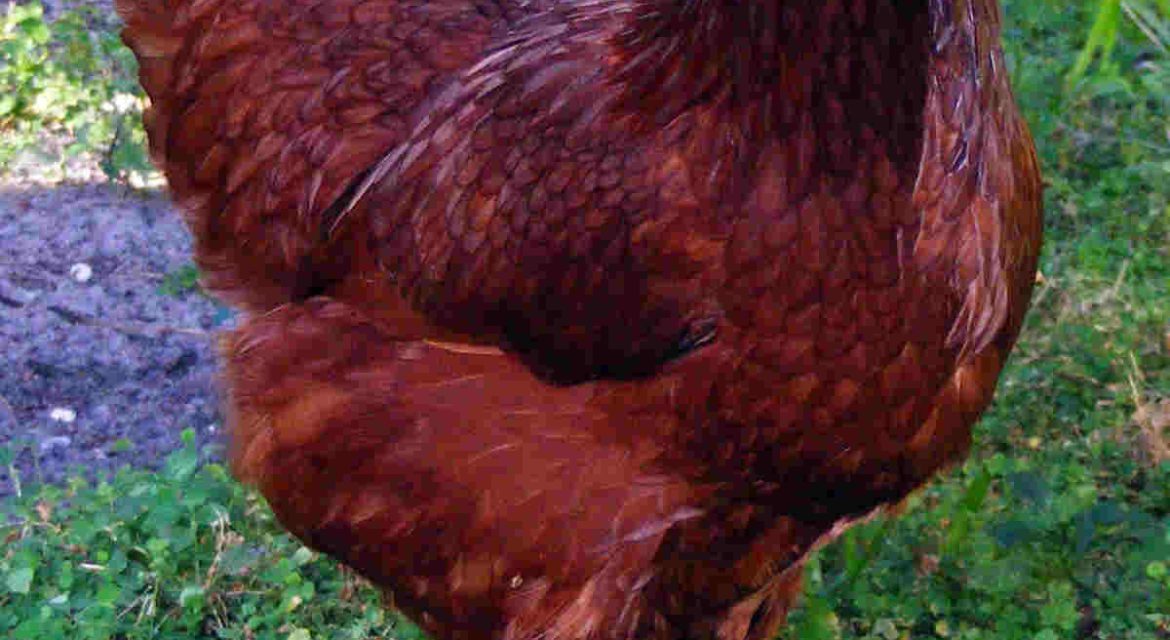
These deep mahogany hens cope brilliantly with our hot summers and still keep laying when the temperature drops. Expect 200–280 tinted to brown eggs a year. They’re calm enough for suburban gardens yet hardy enough for commercial-scale free range.
3. Black Australorp
South Africa’s quiet superstar.
Our Australorps hold the world record for egg production (364 eggs in 365 days!), and local bloodlines haven’t forgotten how to lay. They’re gentle, heat-tolerant, and their glossy black feathers with a green sheen make them stunning to look at. Perfect if you value beauty and productivity in equal measure.
4. Boschvelder
The ultimate low-maintenance village chicken.
Developed in Limpopo for rural conditions, Boschvelders are smaller, scrappier, and incredibly resilient. They forage like champions, brood their own chicks, and rarely go broody when you don’t want them to. Egg numbers are lower (140–180), but the flavour and yolk colour are unbeatable.
5. Lohmann Brown
If eggs are your only goal, this is your hen.
This commercial hybrid ranks among the best chicken breeds for sheer laying output in South African heat. 300+ large brown eggs in the first 18 months is standard. They don’t forage much and won’t win beauty contests, but if you’re selling eggs at the farm stall, these girls pay the feed bill.
6. New Hampshire
The underrated all-rounder.
Faster-growing than Rhode Islands, slightly friendlier, and excellent dual-purpose birds. They handle confinement well, tolerate heat, and the roosters dress out at a respectable 3–3.5 kg by 16 weeks if you ever need a Sunday roast.
7. Ovambo (Namakwa)
For the truly off-grid farmer.
Tall, long-legged, and built for the harshest parts of the Northern Cape and Namibia. They fly like guinea fowl when they want to, but if you give them space they reward you with rich, dark-yolked eggs and extreme hardiness. Among the best chicken breeds in areas with extreme heat and low rainfall. Not for small suburban coops — perfect for large Karoo-style runs.
Quick comparison table (average first-year performance in Western Cape / Gauteng conditions)
| Breed | Eggs/year | Heat tolerance | Cold tolerance | Foraging ability | Temperament |
|---|---|---|---|---|---|
| Potch Koekoek | 180–220 | Excellent | Very good | Excellent | Calm |
| Rhode Island Red | 200–280 | Very good | Excellent | Good | Assertive |
| Black Australorp | 220–290 | Very good | Excellent | Very good | Very calm |
| Boschvelder | 140–180 | Outstanding | Very good | Outstanding | Independent |
| Lohmann Brown | 300+ | Excellent | Good | Poor | Docile |
| New Hampshire | 180–240 | Very good | Very good | Good | Friendly |
| Ovambo | 120–160 | Outstanding | Good | Outstanding | Flighty |
Final word from the farm
There is no single “perfect” breed — only the perfect breed for your setup, your climate, and your goals. We keep a mixed flock of Koekoeks, Australorps, and a few Boschvelders because we value resilience, beauty, and that deep-orange yolk that only real free-range birds deliver.
Whatever you choose, start with healthy stock from a reputable breeder, give them space to move and scratch, and feed them well. Happy South African chickens lay the best eggs you’ll ever taste — and the right breed makes happiness so much easier.
Want to see these breeds in real life? Pop past the Oriberg Farm stall any Saturday morning. The kettle is on, the hens are clucking, and we’re always happy to talk chickens.