
 30 September 2026
What Makes Good Biltong?
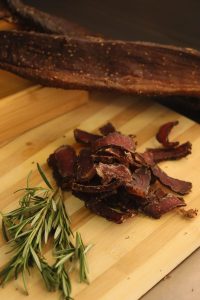
There’s a reason people argue about biltong. Some want it wet and dark in the middle, others want it dry enough to snap. Some want coriander all over it, while others find a heavily spiced coating too much. But personal preference only explains part of the difference. Poor biltong can be wet, dry, salty or heavily seasoned too. What separates good biltong from the ordinary stuff is what happens to the meat during the process — and whether each step has been handled properly.
The Cut of Meat Makes a Bigger Difference Than You Might Think
Not every piece of beef makes equally good biltong. The muscle being used affects how the finished meat feels when you chew it, while the amount and distribution of fat changes both flavour and texture. A lean cut can produce a firm, clean-tasting biltong, but a little fat running through the meat can make it richer and more enjoyable to eat. The direction in which the meat is sliced matters too. Cut across the grain and the fibres are shorter, making the finished biltong easier to bite through; cut with the grain and you get a much chewier piece. That’s something you can feel immediately, even if you know nothing about how the biltong was made.
Salt Is Doing More Than Adding Flavour
Salt is one of the important parts of curing because it draws moisture from the meat. That changes the environment in which the meat is kept while it dries, while also seasoning it from the outside in. Too little and the meat won’t have the characteristic cured flavour; too much and the salt becomes the first and last thing you taste. The thickness of the meat also matters here because salt has further to travel through a thick piece than a thin strip. This is why simply saying that good biltong should be “well salted” misses the point. The amount of salt has to make sense for the size and cut of the meat and the length of time it is being cured.
Vinegar Has a Job Too
Vinegar isn’t there simply to make biltong taste tangy. Its acidity changes the surface of the meat and contributes to the curing process, while also giving biltong some of the sharpness that balances its rich, savoury flavour. Too much can leave the outside tasting harsh and acidic, particularly if the meat has been left in it for too long. Too little can leave the seasoning tasting flat. The type of vinegar and how it is used can therefore make a noticeable difference to the finished piece, even when the rest of the recipe is unchanged.
Coriander Isn’t Just a Topping
That familiar coriander flavour is one of the things that makes biltong taste like biltong, but there’s a reason freshly prepared or freshly crushed coriander can make such a difference. Much of its aroma comes from volatile oils inside the seeds. Crushing the seeds releases those oils, which is why freshly cracked coriander has a much more noticeable fragrance than coriander that has been sitting ground for months. The same applies to pepper. The spices aren’t simply there to make the outside look like biltong; they’re contributing much of the aroma you experience before the meat has even reached your mouth.
Drying Is Where the Texture Is Made
The drying stage isn’t just about waiting until the meat feels dry. Moisture leaves the meat gradually, and the rate at which that happens affects the finished texture. If the outside dries too quickly, it can become hard while the inside remains much softer. If the drying continues for longer, more moisture leaves the centre and the whole piece becomes firmer. Air movement, temperature, humidity, the thickness of the meat and the amount of moisture in the meat all affect how this happens. That’s why making good biltong isn’t as predictable as hanging meat up and waiting a certain number of days.
Fat Changes as the Biltong Dries
Fat behaves differently from the lean part of the meat, which is why a piece with some fat can develop a completely different character from a very lean piece. As the meat loses moisture, the fat remains and becomes part of the texture and flavour of the finished biltong. This is also why fatty biltong needs sensible storage. Heat and exposure to air can affect the fat over time and eventually give it an unpleasant stale or rancid flavour. The fat that makes a piece delicious when it’s fresh can become a weakness if the biltong is poorly stored.
Wet and Dry Biltong Aren’t Just Two Names for the Same Thing
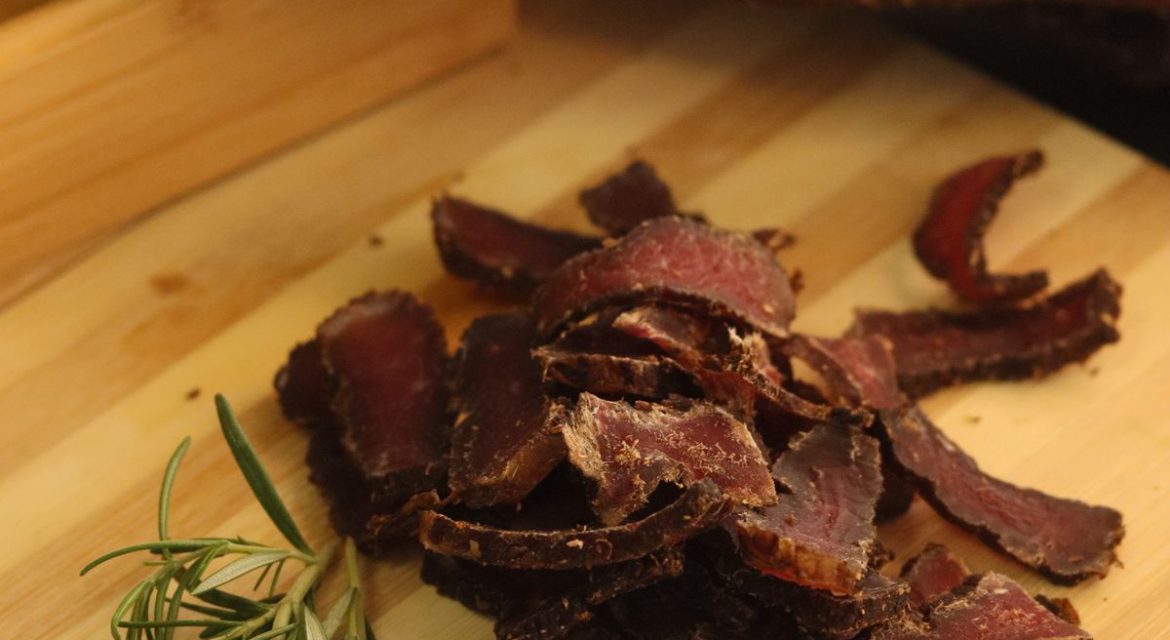
When someone says they like wet biltong, they generally aren’t asking for uncured meat. They’re talking about how much moisture remains after drying. A thicker piece can have a firmer outer layer with a softer centre, whereas a thinner piece dried for longer may be firm throughout. This is why two bags labelled as biltong can have completely different textures. The difference isn’t necessarily in the recipe; it can come down to the cut, thickness and drying conditions.
So What Should You Look For?
So, what should you actually look for when buying biltong? Start with the texture you prefer, because there’s little point buying a very dry piece if you like yours soft in the middle. Look for meat where the fat is distributed through the cut rather than one large strip of it, and don’t assume that a heavily seasoned exterior means more flavour. If you can smell the biltong, it should smell like cured meat and spices, not just vinegar. Most importantly, the first thing you taste should be the meat, with the salt, vinegar and spices working around it. That’s the difference between biltong that fills the snack bowl and biltong that disappears from it.