
No products in the basket.
 13 November 2026
What Does “Farm Fresh” Actually Mean?
We often associate farm-fresh food with better flavour, better quality and a shorter journey from producer to plate. There’s a good reason for that association. Food sold directly from a farm can reach us sooner, with less time spent in storage or distribution. But the phrase itself doesn’t guarantee any of those things. It doesn’t tell us when something was harvested, how it was handled or how long it has been sitting on a shelf. Those details make a real difference to freshness.
An Egg Can Tell You More Than Its Shell
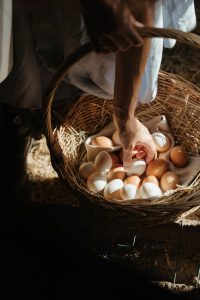
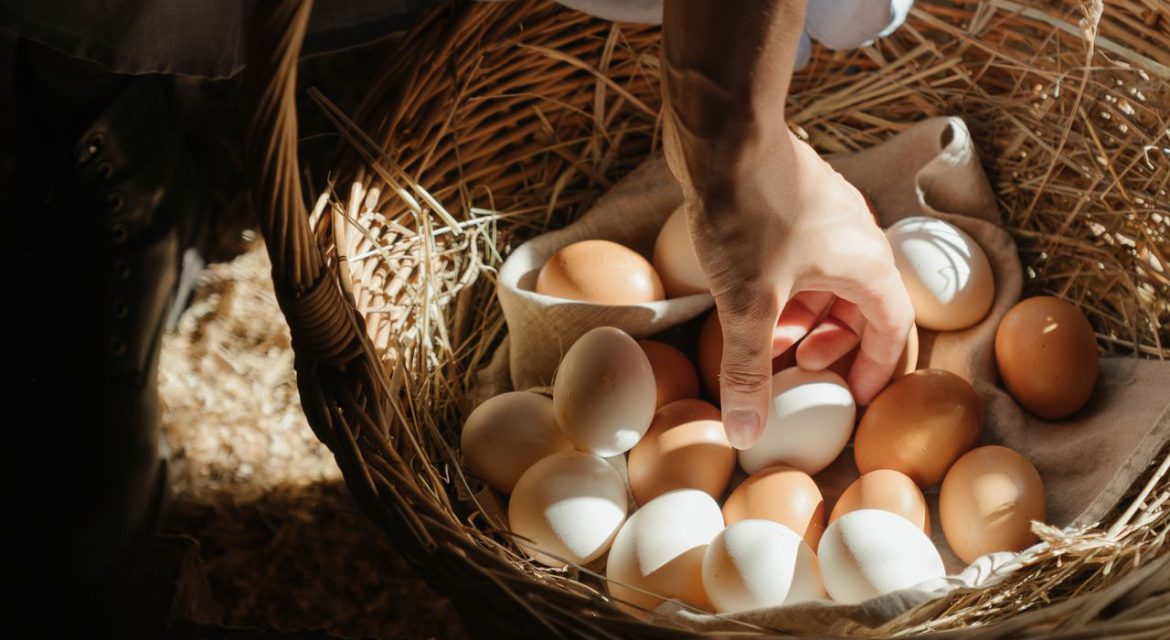
Eggs are a good example of how freshness changes without much visible evidence. When a hen lays an egg, its shell has a natural protective coating called the bloom or cuticle. This coating seals many of the shell’s pores, helping prevent bacteria from entering and slowing moisture loss. Over time, carbon dioxide escapes through those pores, raising the pH of the egg white. The white becomes thinner, while the yolk membrane gradually weakens. Moisture also evaporates, enlarging the air cell inside the egg. That’s why a fresh egg tends to have a thick white and a rounded, raised yolk when cracked open. An older egg spreads out more, even though its shell may look perfectly normal. So, an egg collected that morning and one stored for several weeks can look almost identical from the outside.
Picked Today Doesn’t Always Mean Picked Ripe
The timing of a harvest also affects what we mean by fresh. Some fruit continues ripening after picking, while other crops need more time on the plant to develop their flavour. Bananas and avocados can ripen after harvest, which makes them easier to transport and sell. Strawberries are different. They develop most of their sweetness while still attached to the plant, so picking them too early won’t give them the same flavour later. This is one reason recently harvested produce doesn’t always taste better. The stage at which farmers pick it matters just as much as the time since harvesting.
What Happens After the Harvest?
A vegetable doesn’t stop changing once it leaves the ground. Take leafy greens, for example. They lose moisture after harvesting, which causes leaves to wilt and lose their crispness. Warm conditions speed up this process, so farmers and suppliers often cool produce soon after picking. This is known as removing field heat. It slows respiration and helps preserve quality during storage and transport. Different crops need different temperatures, though. Refrigerating some produce can cause damage rather than extend its shelf life. Freshness therefore depends on more than getting food off the farm quickly. The way it’s stored afterwards matters too.
Does Buying Local Mean Buying Fresher?
Buying directly from a nearby farm can reduce the time between harvesting and purchase. It can also mean fewer stages of handling and distribution. However, local doesn’t automatically mean fresh. Produce might have been harvested days earlier and kept in storage before reaching the farm shop. Food transported from further away can still arrive in excellent condition if suppliers manage its temperature and handling properly. The distance matters, but it isn’t the only part of the journey worth considering. Harvest dates and storage conditions give a much clearer picture.
Farm Fresh Isn’t the Same as Organic
The two terms often appear together, but they describe different things. Organic refers to how food is produced under specific farming standards. Farm fresh generally suggests a connection to the farm or a relatively direct route to the consumer. A freshly harvested vegetable isn’t automatically organic, and an organic vegetable isn’t necessarily freshly picked. Neither term tells you everything about the food’s age or storage history. It’s worth understanding the difference rather than assuming one label guarantees the benefits of another.
Freshness Starts Before the Food Reaches the Shop
A product’s freshness begins with how and when it was produced, but it doesn’t end at harvest. An egg continues changing inside its shell, fruit develops at different rates, and vegetables lose moisture after picking. Good handling and storage can preserve quality, while poor conditions can undo the advantages of a recent harvest. That’s what makes the phrase farm fresh interesting, but also limited. Knowing where food comes from is useful. Knowing what happened between the farm and your kitchen tells you much more.